
| Symbol | Component | Common Label | Function | Search Aliases |
|---|---|---|---|---|
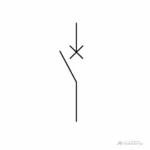 | Circuit Breaker | ACB / MCCB / MCB / VCB / CB | Protection and switching | circuit breaker, breaker, CB, ACB, air circuit breaker, MCCB, molded case circuit breaker, moulded case circuit breaker, MCB, miniature circuit breaker, VCB, vacuum circuit breaker, Schneider breaker, Schneider ACB, Schneider MCCB, Schneider MCB, iC65, iC65N, iC60, Acti9, ComPacT NSX, Compact NSX, NSX, NSXm, EasyPact, EasyPact CVS, MasterPact, MasterPact MTZ, ABB breaker, ABB MCB, ABB MCCB, ABB ACB, S200, SH200, Tmax, Tmax XT, Emax, Emax 2, Siemens breaker, Siemens MCB, Siemens MCCB, Siemens ACB, SENTRON, 5SY, 5SL, 3VA, 3WL, 3WA, Eaton breaker, Eaton MCB, Eaton MCCB, Eaton ACB, FAZ, xPole, Power Defense, NZM, IZMX, INX, CHINT breaker, CHINT MCB, CHINT MCCB, CHINT ACB, NXB, NXB-63, NB1, NM8N, NM8, NA8, NA1 |
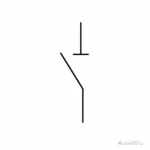 | Isolator / Disconnector | DS / ISO | Safe isolation for maintenance | isolator, disconnector, disconnect switch, disconnecting switch, isolation switch, DS, ISO, switch disconnector, switch-disconnector, main isolator, main switch, Schneider disconnector, Schneider switch disconnector, Acti9 iSW, ComPacT INS, Interpact, ABB disconnector, ABB switch disconnector, OT switch disconnector, Siemens disconnector, Siemens switch disconnector, 3LD, SENTRON 3KD, Eaton disconnector, Eaton switch disconnector, P switch disconnector, Dumeco, CHINT disconnector, CHINT isolator, NH40, NHR17 |
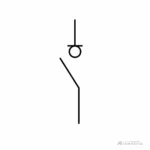 | Load Break Switch / On-load isolating switch | LBS | Switching normal load current | load break switch, load-break switch, LBS, on-load isolating switch, on load isolator, load switch, MV load break switch, MV switch, switch fuse, fuse switch, RMU switch, ring main unit switch, transformer feeder switch, Schneider LBS, Schneider load break switch, ABB LBS, ABB load break switch, Siemens LBS, Siemens load break switch, Eaton LBS, Eaton load break switch, CHINT LBS, CHINT load break switch, FN12, FN7, FLN36, gas insulated switch, air load break switch |
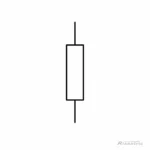 | Fuse | FU | Overcurrent and short-circuit protection | fuse, FU, F, LV fuse, MV fuse, HRC fuse, cartridge fuse, NH fuse, fuse link, fuse holder, fuse switch, fuse switch disconnector, backup fuse, current limiting fuse, gG fuse, aM fuse, Schneider fuse, Schneider fuse holder, TeSys fuse, ABB fuse, ABB fuse switch, OFAF, OS fuse switch, Siemens fuse, Siemens fuse switch, SITOR, 3NA, 3NP, Eaton fuse, Eaton Bussmann, Bussmann fuse, CHINT fuse, CHINT fuse holder, RT18, NT fuse, XRNT, high voltage fuse |
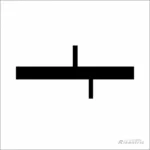 | Busbar | BB | Power distribution inside switchgear | busbar, bus bar, BB, main busbar, copper busbar, aluminium busbar, aluminum busbar, Cu busbar, Al busbar, neutral busbar, earth busbar, PE busbar, N busbar, 3P busbar, 3P+N busbar, 3P+N+PE, busbar system, busbar trunking, busbar chamber, busbar rating, rated current busbar, short time withstand current, Icw, bus coupler, bus tie, main bus, distribution busbar |
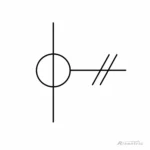 | Current Transformer | CT | Current measurement and protection input | current transformer, CT, current transducer, metering CT, protection CT, measuring CT, ring CT, split core CT, wound CT, bar primary CT, window CT, LV CT, MV CT, CT ratio, 100/5A, 200/5A, 400/5A, 800/5A, 1000/5A, 2000/5A, 1A CT, 5A CT, Class 0.5, Class 0.2, 5P10, 5P20, 10P10, 10P20, burden, VA burden, Schneider CT, Schneider current transformer, ABB CT, ABB current transformer, Siemens CT, Siemens current transformer, Eaton CT, Eaton current transformer, CHINT CT, CHINT current transformer |
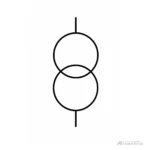 | Voltage Transformer | VT / PT | Voltage measurement and protection input | voltage transformer, potential transformer, VT, PT, voltage transducer, metering VT, protection VT, measuring VT, MV VT, PT ratio, VT ratio, 11kV/110V, 10kV/100V, 6.6kV/110V, 400V/110V, single phase VT, three phase VT, voltage measurement, voltage sensing, Schneider VT, Schneider PT, ABB VT, ABB PT, Siemens VT, Siemens PT, Eaton VT, Eaton PT, CHINT VT, CHINT PT |
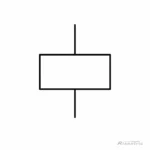 | Protective Relay (generic) | OCR / EFR / Relay | Fault detection and trip command | protective relay, protection relay, relay, OCR, overcurrent relay, EFR, earth fault relay, ground fault relay, ELR, earth leakage relay, differential relay, motor protection relay, transformer protection relay, feeder protection relay, digital relay, numerical relay, protection device, trip relay, ANSI 50, ANSI 51, 50/51, 50N, 51N, 50G, 51G, 27, 59, 87, 49, 46, 47, 81, Schneider relay, Easergy, Sepam, MiCOM, ABB relay, Relion, REF615, Siemens relay, SIPROTEC, Eaton relay, CHINT relay, protection controller |
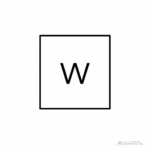 | Measuring Instrument / Power Meter | PM / MFM / kWh Meter | Electrical measurement and monitoring | measuring instrument, meter, power meter, PM, MFM, multifunction meter, multi-function meter, kWh meter, energy meter, ammeter, voltmeter, frequency meter, power factor meter, PF meter, panel meter, digital meter, smart meter, power monitor, energy monitor, V meter, A meter, kW meter, kVA meter, kvar meter, RS485 meter, Modbus meter, Schneider meter, PowerLogic, PM5000, PM8000, iEM, ABB meter, M2M, EQ meter, Siemens meter, SENTRON PAC, PAC3200, PAC4200, Eaton meter, Power Xpert Meter, CHINT meter, DDSU, DTSU, DTS, DJS, PD666 |
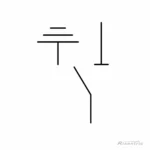 | Earthing Switch | ES | Safety grounding during maintenance | earthing switch, earth switch, grounding switch, ground switch, ES, E/S, maintenance earthing switch, MV earthing switch, switchgear earthing switch, safety grounding, safety earthing, short circuit earthing, earthing device, grounding device, earth position, earthed position, Schneider earthing switch, ABB earthing switch, Siemens earthing switch, Eaton earthing switch, CHINT earthing switch |
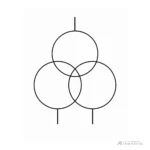 | Transformer | TR / TX | Voltage conversion | transformer, TR, TX, power transformer, distribution transformer, dry type transformer, oil immersed transformer, oil transformer, cast resin transformer, control transformer, auxiliary transformer, isolation transformer, step down transformer, step up transformer, 11kV/0.4kV, 10kV/0.4kV, 6.6kV/0.4kV, 400V/230V, 1600kVA, 1000kVA, 2500kVA, Schneider transformer, ABB transformer, Siemens transformer, Eaton transformer, CHINT transformer |
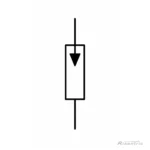 | Surge Protective Device (LV) / Surge Arrester (MV) | SPD / SA | Transient overvoltage protection | surge protective device, surge protection device, surge protector, SPD, surge arrester, SA, lightning arrester, LA, lightning protection, transient overvoltage protection, overvoltage protection, Type 1 SPD, Type 2 SPD, Type 1+2 SPD, T1 SPD, T2 SPD, Class I SPD, Class II SPD, 3P SPD, 3P+N SPD, 40kA SPD, 60kA SPD, 100kA SPD, 275V SPD, MV surge arrester, metal oxide arrester, MOA, ZnO arrester, Schneider SPD, Acti9 iPRD, ABB SPD, OVR, Siemens SPD, 5SD7, Eaton SPD, CHSPT, CHINT SPD, NU6, NXU, CHINT surge arrester |
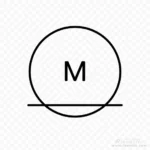 | Motor | M / Motor | Electrical load controlled by an MCC or feeder circuit | motor, electric motor, induction motor, pump motor, fan motor, compressor motor, MCC load, motor feeder |
 | Contactor | KM / MC | Electrically switches a motor or load circuit by control signal | contactor, magnetic contactor, motor contactor, KM, MC, Schneider LC1D, ABB AF, Siemens 3RT, CHINT NC |
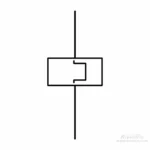 | Thermal Overload Relay | OLR / TOR / FR | Protects motors against overload current | overload relay, thermal overload relay, motor overload, OLR, TOR, FR, Schneider LRD, ABB TF, Siemens 3RU |
 | Motor Starter | Starter | Starts and controls motor operation | motor starter, direct online starter, DOL starter, star delta starter, motor feeder, MCC starter |
| Soft Starter | SS | Reduces motor starting current and mechanical shock | soft starter, motor soft starter, reduced voltage starter, Schneider ATS22, Schneider ATS48, ABB PSTX, Siemens SIRIUS soft starter | |
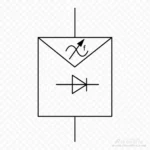 | Variable Frequency Drive | VFD / Inverter | Controls motor speed by changing frequency and voltage | VFD, variable frequency drive, inverter, frequency converter, AC drive, motor drive, speed control |
| Star-Delta Starter | Y-Δ / Star Delta | Starts larger motors by switching winding connection | star delta starter, wye delta starter, Y delta, motor starting, reduced voltage starting | |
| Control Transformer | CPT / Control TX | Provides control voltage for relays, contactors, lamps, and control circuits | control transformer, CPT, control power transformer, auxiliary transformer, 220V control, 110V control, 24V control | |
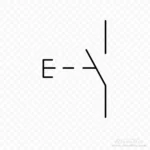 | Push Button | PB / Start / Stop | Manual input for starting, stopping, or resetting equipment | push button, start button, stop button, reset button, PB, momentary switch, control button |
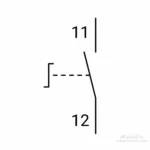 | Selector Switch | SS / COS / HOA | Selects operating mode such as auto/manual or local/remote | selector switch, changeover switch, auto manual switch, local remote switch, HOA switch, hand off auto |
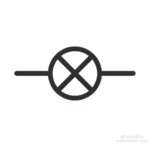 | Indicator Lamp | PL / Pilot Lamp | Shows power, running, fault, trip, or status indication | indicator lamp, pilot lamp, signal lamp, power lamp, running lamp, fault lamp, trip lamp |
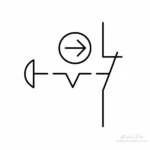 | Emergency Stop | E-Stop / ES | Stops equipment quickly in emergency conditions | emergency stop, E-stop, emergency push button, safety stop, mushroom button |
| Auxiliary Relay | KA / K | Provides control logic, signal transfer, or interlocking | auxiliary relay, control relay, intermediate relay, KA, relay logic, interposing relay | |
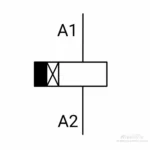 | Timer Relay | KT / Timer | Provides time delay in control circuits | timer relay, time delay relay, KT, on delay timer, off delay timer, star delta timer |
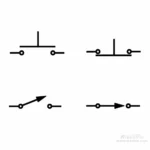 | Auxiliary Contact | NO / NC | Provides status feedback or control contact signal | auxiliary contact, NO contact, NC contact, normally open, normally closed, feedback contact |
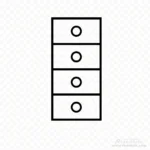 | Terminal Block | TB / XT | Connects internal and external control wires | terminal block, terminal strip, TB, XT, wiring terminal, control terminal |
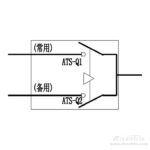 | Automatic Transfer Switch | ATS / ATSE | Transfers load between normal and backup power sources | ATS, ATSE, automatic transfer switch, transfer switch, dual power switch, automatic changeover switch |
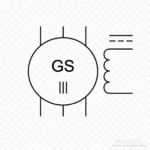 | Generator | G / GEN / DG | Backup power source for emergency or standby supply | generator, genset, diesel generator, DG, standby generator, emergency generator |
 | Three-Phase Star / Wye Winding | Y / Wye / Star / Yn | Shows three windings connected to a common neutral point. The neutral may be brought out or grounded. | |
 | Three-Phase Delta Winding | Δ / Delta / D | Shows three windings connected in a closed delta loop. Normally there is no neutral point. | |
| Residual Current Device | RCD / RCCB / ELCB | Trips on residual or earth-leakage current | ||
| Residual Current Breaker with Overcurrent | RCBO | Combines residual-current and overcurrent protection | ||
| Motor Protection Circuit Breaker | MPCB / MMS / MCB-M | Motor short-circuit and overload protection | ||
| Earth Leakage Relay | ELR / EFR | Detects earth leakage and commands breaker trip | ||
| Core-Balance Current Transformer | CBCT / ZCT | Measures residual current for earth-fault protection | ||
| Capacitor Bank | CB / CAP / APFC | Reactive-power compensation | ||
| Detuned Reactor | DR / Reactor | Protects capacitor banks and limits harmonic resonance | ||
| UPS | UPS | Uninterruptible AC power source | ||
| Battery Bank | BAT / Battery | DC backup or stored-energy source | ||
| Battery Charger / Rectifier | BC / CHGR / RECT | Converts AC to DC and charges batteries | ||
| Static Transfer Switch | STS | Transfers loads electronically between two sources | ||
| Manual Transfer Switch | MTS | Manually transfers between two supply sources | ||
| Fuse-Switch Disconnector | FSD / SDF / FSU | Combines switching, isolation and fuse protection | ||
| Bus Coupler Breaker | BCB / BC / Bus Tie | Connects or separates busbar sections | ||
| Cable / Feeder | CBL / Feeder | Represents an incoming or outgoing power cable | ||
| Cable Termination | CT—not recommended as label | Shows cable-end connection or termination | ||
| Neutral Conductor | N | Neutral connection or neutral busbar | ||
| Protective Earth | PE / Earth / Ground | Protective earthing connection | ||
| Grounding Transformer | GT / ET | Establishes a neutral point for system grounding | ||
| Neutral Grounding Resistor | NGR / NER | Limits earth-fault current | ||
| Component | Common Label | Function | ||
| Autotransformer | AT / Auto TX | Changes voltage using a shared winding | ||
| Isolation Transformer | IT / ISO TX | Provides galvanic isolation between circuits | ||
| Voltage-Presence Indicating System | VPIS / VDS | Indicates whether an MV conductor or cable is energized | ||
| Fault Passage Indicator | FPI / EFI | Indicates the passage of phase-fault or earth-fault current | ||
| Active Harmonic Filter | AHF | Reduces harmonic distortion by injecting compensating current | ||
| Power-Factor Controller | PFC Relay / APFC Controller | Automatically switches capacitor-bank stages according to reactive-power demand | ||
| AC/DC Power Supply | PSU / SMPS | Converts AC auxiliary power into regulated DC control power | ||
| Utility / Grid Supply | GRID / Utility / Mains | Represents the external electrical supply feeding the installation | ||
| Surge Protective Device | SPD | Protects LV systems against transient overvoltages | ||
| Surge Arrester | SA / LA / MOA | Protects MV equipment against lightning and switching overvoltages |
This switchgear symbol table is designed for quick lookup when reading SLDs, electrical panel drawings, tender files, and quotation documents.
The symbols shown in this table are simplified reference examples based on IEC 60617 graphical symbol conventions. Actual project drawings may vary depending on the consultant, manufacturer, country, or project standard
–Risentric: where the brightness rises
For manufactured panel solutions, see our low-voltage switchgear page.
For detailed explanations of each device inside a switchgear panel, see our guide: Switchgear Components Explained.
For practical breaker selection from drawings and technical files, see our guide on how to select circuit breakers from SLD and technical files.
How to Use This Switchgear Symbol Table
Use the search box to find a switchgear symbol, abbreviation, component name, or product series.
For example, if you see CT in an SLD, search “CT” to find Current Transformer. If you see iC65 in a quotation file, search “iC65” to find the related Circuit Breaker / MCB category.
You can search by abbreviation, component name, or common product series. For example, search CT, ACB, LBS, SPD, iC65, Tmax, 3VA, or NXB to find the related switchgear component.Each symbol or component name can also link to a detailed explanation, selection guide, or related product page.
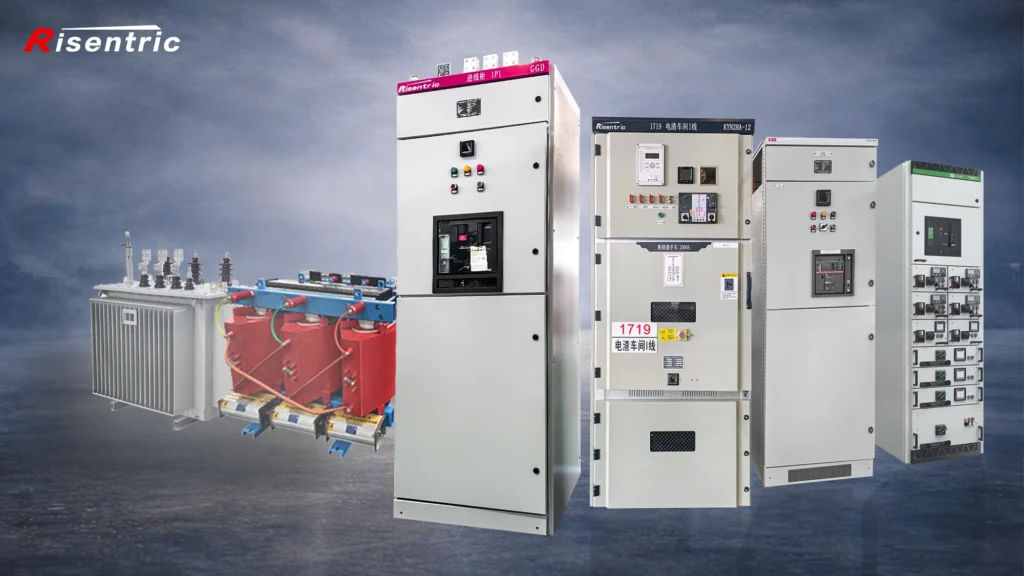
Looking for factory-tested switchgear & Panel boards for your project?
Notes for Common Switchgear Symbols
The table above is designed for quick search. The notes below show how each symbol or abbreviation is commonly written in SLDs, switchgear drawings, tender files, and quotation documents.
Circuit Breaker Symbol — ACB / MCCB / MCB / VCB / CB
A circuit breaker symbol usually marks a protection and switching point in the main power circuit. In switchgear drawings, it may represent an incoming breaker, outgoing feeder breaker, bus coupler, or main incomer.
Common labels include ACB, MCCB, MCB, VCB, or CB.
Common drawing syntax may include:
ACB 3200A, 4P, 65kA
MCCB 250A, 3P, 36kA
This usually shows breaker type, rated current, pole number, and short-circuit breaking capacity.
Isolator / Disconnector Symbol — DS / ISO
An isolator or disconnector symbol shows a device used for safe electrical isolation during maintenance.
Common labels include DS or ISO.
Common drawing syntax may include:
DS 630A, 3P
ISO 1250A, 4P
This usually shows rated current and pole number. An isolator should not be treated as a fault-protection device unless the specification clearly states otherwise.
Load Break Switch Symbol — LBS
A load break switch symbol shows a switching device that can open and close a circuit under normal load current.
The common label is LBS.
Common drawing syntax may include:
LBS 12kV, 630A
LBS + Fuse, 24kV, 200A
This usually shows voltage level, rated current, and whether the LBS is combined with fuses.
Fuse Symbol — FU
A fuse symbol shows a replaceable overcurrent protection device.
The common label is FU.
Common drawing syntax may include:
FU 10A
Fuse 50A gG
HV Fuse 12kV, 63A
This usually shows fuse rated current, fuse type, and voltage level where applicable.
Busbar Symbol — BB
A busbar symbol represents the main conductive path used to distribute power inside the switchgear.
The common label is BB.
Common drawing syntax may include:
BB 4000A, 3P+N+PE, 65kA/1s
Main Busbar 2500A, Cu
This usually shows rated current, phase arrangement, short-time withstand current, and sometimes busbar material.
Recommended link:
Check our LV / MV Switchgear solutions or Compact Substation solutions.
Current Transformer Symbol — CT
A current transformer symbol shows where current is measured and converted into a lower secondary current for meters or protection relays.
The common label is CT.
Common drawing syntax may include:
CT 2000/5A, Class 0.5, 15VA
CT 800/1A, 5P20, 10VA
This usually shows CT ratio, accuracy class, burden, and protection or metering class.
Voltage Transformer Symbol — VT / PT
A voltage transformer symbol shows where voltage is measured and converted into a lower voltage signal for meters, relays, synchronization, or monitoring.
Common labels include VT and PT.
Common drawing syntax may include:
VT 11kV/110V, Class 0.5
PT 6.6kV/100V, 50VA
This usually shows voltage ratio, accuracy class, and burden.
Protective Relay Symbol — OCR / EFR / Relay
A protective relay symbol represents a device that detects abnormal electrical conditions and sends a trip command to the breaker or control circuit.
Common labels include OCR, EFR, or Relay.
Common drawing syntax may include:
OCR 50/51
EFR 50N/51N
Relay 50/51, 27, 59
This usually shows the relay type or ANSI protection function codes.
Measuring Instrument / Power Meter Symbol — PM / MFM / kWh Meter
A meter symbol shows where electrical values are measured and displayed.
Common labels include PM, MFM, and kWh Meter.
Common drawing syntax may include:
MFM, V/A/kW/kWh/PF/Hz
kWh Meter, 3P4W
PM with RS485
This usually shows the measured values, wiring system, or communication function.
Earthing Switch Symbol — ES
An earthing switch symbol shows a device used to connect a circuit to earth during maintenance or safety operation.
The common label is ES.
Common drawing syntax may include:
ES 12kV, 31.5kA
Earthing Switch 24kV, 25kA/3s
This usually shows voltage level and short-circuit making or withstand rating.
Transformer Symbol — TR / TX
A transformer symbol represents voltage conversion in a power distribution system or auxiliary circuit.
Common labels include TR and TX.
Common drawing syntax may include:
TR 11/0.4kV, 1600kVA
Control Transformer 400/230V, 500VA
This usually shows voltage ratio and capacity.
Surge Protective Device / Surge Arrester Symbol — SPD / SA
A surge protection symbol shows a device used to limit transient overvoltage caused by lightning, switching operations, or grid disturbances.
In low-voltage systems, the common label is usually SPD. In medium-voltage systems, SA or Surge Arrester is more common.
Common drawing syntax may include:
SPD Type 1+2, 3P+N
SPD 40kA, 275V
SA 10kV, 10kA
This usually shows SPD type, pole arrangement, discharge current, operating voltage, or arrester rating.
Looking for factory-tested switchgear & Panel boards for your project?
How to Read Switchgear Symbols in a Drawing
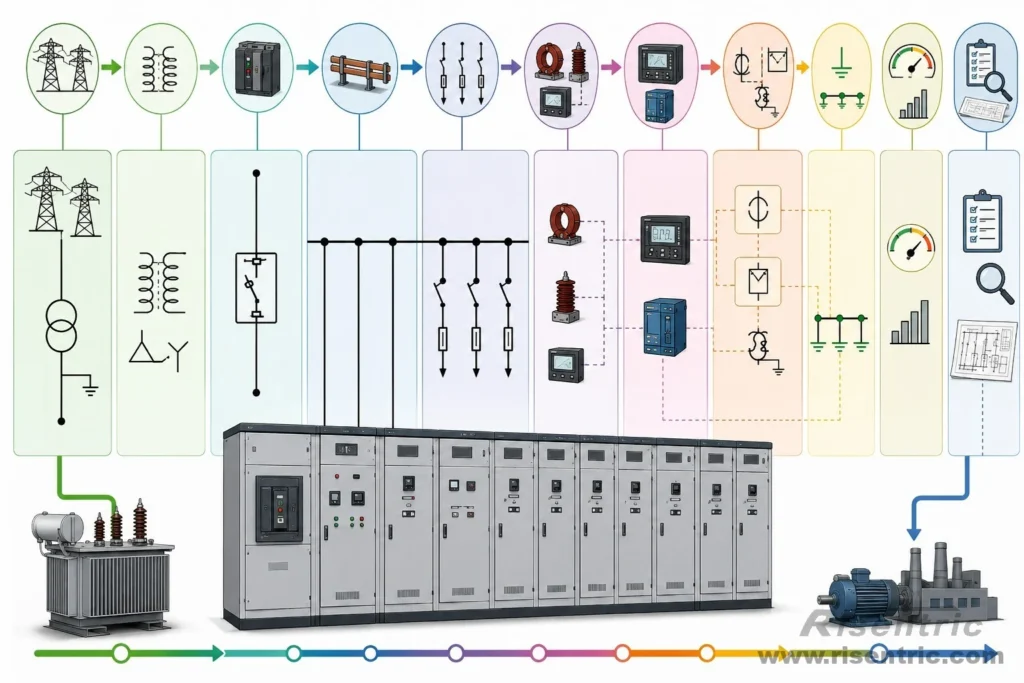
When reading a switchgear drawing, do not look at the symbols separately. Instead, read the system from the power source to the load.
A practical reading sequence is:
- Identify the incoming power source
- Check the voltage level and system type
- Locate the main circuit breaker or main switch
- Follow the busbar arrangement
- Check outgoing feeders
- Identify CTs, VTs, meters, and relays
- Review protection and control functions
- Check earthing and neutral arrangement
- Confirm ratings such as current, voltage, and short-circuit level
- Compare the drawing with project specifications
This method helps you understand not only the symbols, but also the design logic of the switchgear system.
IEC Symbols vs ANSI Symbols
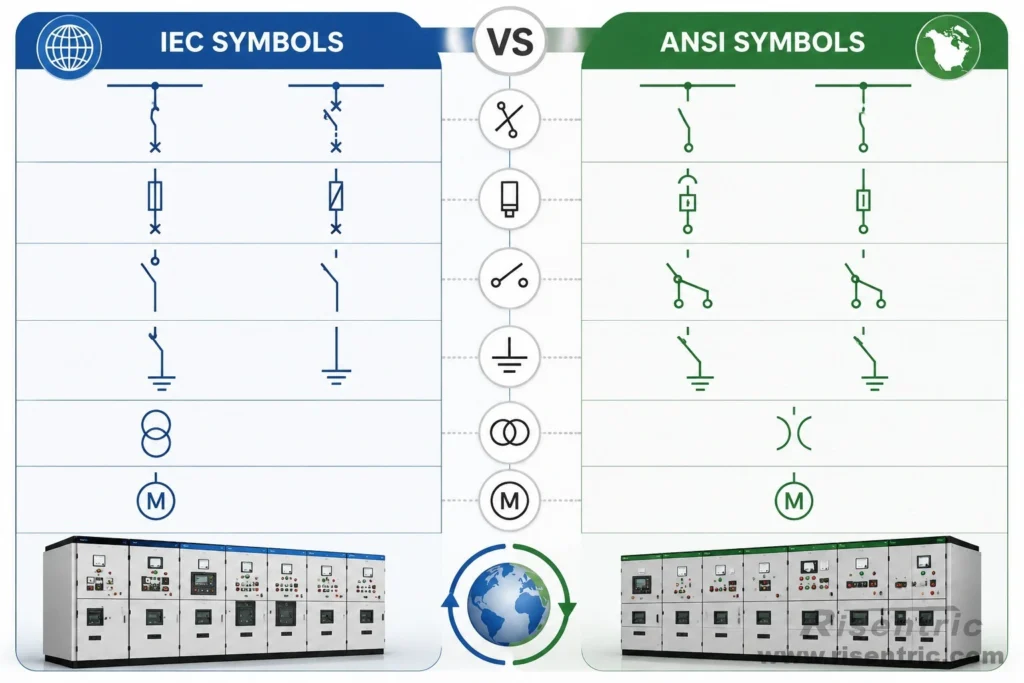
Switchgear symbols may differ between IEC-based and ANSI-based drawings.
IEC symbols are widely used in many international projects, especially in Europe, Asia, the Middle East, and many industrial markets. ANSI and IEEE-based symbols are more common in North American projects.
IEEE 315 provides graphic symbols and class designation letters for electrical and electronics diagrams. IEC 81346-1:2022 provides rules and guidance for reference designations used to identify objects in systems and related documentation.
For international switchgear projects, it is important to confirm which drawing standard the client requires before preparing final documentation.
Common Mistakes When Reading Switchgear Symbols
Even experienced users can misunderstand switchgear drawings if the symbols are not interpreted correctly.
Common mistakes include:
1. Confusing isolators with circuit breakers
An isolator provides isolation, but it may not provide fault interruption. A circuit breaker provides switching and protection.
2. Ignoring CT ratios and accuracy classes
A CT symbol alone is not enough. The CT ratio, burden, and accuracy class are critical for metering and protection performance.
3. Misreading the busbar arrangement
A busbar system may include single busbar, double busbar, sectionalized busbar, or bus coupler arrangements. The symbol must be understood in the context of the full system.
4. Overlooking earthing symbols
Earthing symbols are directly related to safety. Incorrect interpretation may lead to dangerous installation or maintenance errors.
5. Assuming all symbols are universal
Symbols can vary depending on IEC, ANSI, national standards, project specifications, and company drawing practices.
Switchgear Symbols and Procurement
Switchgear symbols are not only useful for engineers. They also help procurement teams understand what equipment is required.
For example, a single-line diagram may show:
- One incoming ACB
- Six outgoing MCCBs
- One multifunction meter
- Three CTs
- One SPD
- One ATS
- One busbar system
- One earthing bar
From this drawing, the quotation team can identify major components, estimate the panel structure, and prepare a more accurate technical and commercial offer.
This is why clear symbols and complete technical information are important in switchgear quotation work.
Conclusion
Switchgear symbols are the language of electrical drawings. They help engineers, contractors, manufacturers, and end users understand how a power distribution system is designed and how each device functions.
To read switchgear diagrams correctly, you need to understand the symbols, the equipment ratings, the reference designations, and the overall power flow. For international projects, it is also important to confirm whether the drawing follows IEC, ANSI, or a customer-specific standard.
A clear understanding of switchgear symbols makes project communication easier, reduces technical mistakes, and supports safer installation and maintenance.
FAQ
What are switchgear symbols?
Switchgear symbols are graphical symbols used in electrical drawings to represent devices such as circuit breakers, busbars, transformers, meters, relays, fuses, and earthing systems.
Where are switchgear symbols used?
They are used in single-line diagrams, schematic diagrams, control drawings, panel drawings, tender documents, and operation manuals.
Are switchgear symbols the same in every country?
No. Many projects use IEC symbols, while some use ANSI or IEEE-based symbols. The required standard depends on the country, customer, consultant, and project specification.
Why is a symbol legend important?
A symbol legend explains the meaning of each symbol used in the drawing. It reduces misunderstanding and is especially useful in international projects.


